
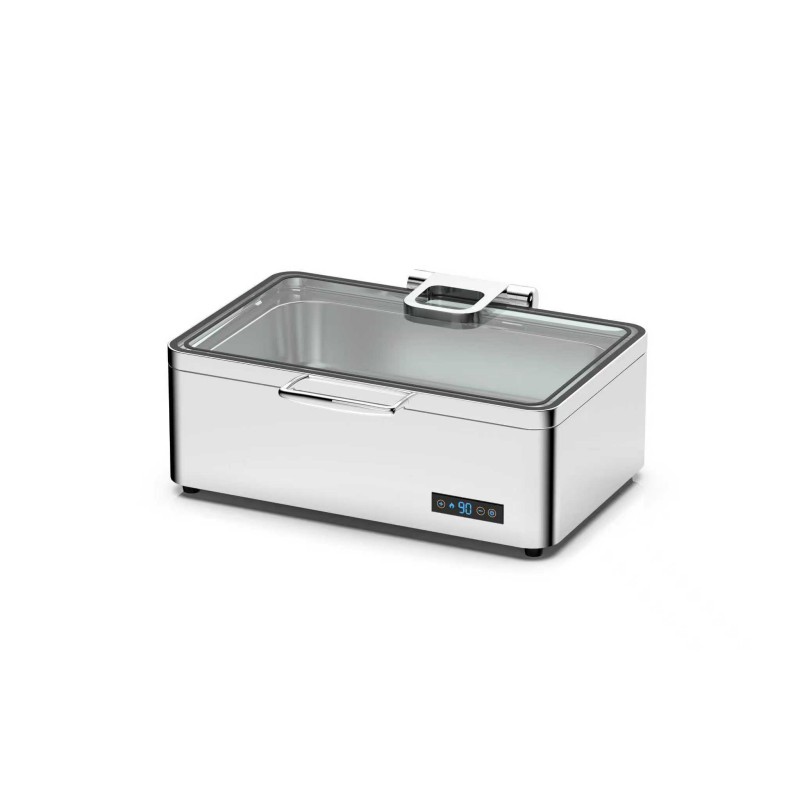
How Much Water Goes in a Chafing Dish Water Pan?
Short answer: a full-size chafing dish water pan takes 1.5-2.5 litres, filled to roughly two-thirds depth and always kept 10-20 mm below the base of the food pan. Start with hot water at 60-80°C rather than cold: it cuts preheat time by 8-12 minutes. Evaporation runs 0.3-0.6 litres per hour, so check and top up every 60-90 minutes. Getting this wrong is the most common cause of both dried-out food and warped pans in our chafing dish fleet.
Water volume by chafer size
The numbers below are service fills, not brim capacity. Overfilling is a real fault: when boiling water touches the food pan base it superheats the bottom layer and scorches it even though the top of the food looks fine.
| Chafer size | Water pan brim capacity | Service fill | Fill depth | Evaporation per hour |
| Mini / 1-2 qt | 0.9 L | 0.4-0.6 L | 20-25 mm | 0.15-0.25 L |
| Half size / 4 qt | 2.0 L | 0.9-1.3 L | 25-35 mm | 0.2-0.35 L |
| Full size / 8 qt | 3.6 L | 1.8-2.5 L | 35-45 mm | 0.3-0.6 L |
| Double / 9 qt | 4.4 L | 2.2-3.0 L | 35-45 mm | 0.4-0.7 L |
| Soup pot 7 L | 3.0 L | 1.4-2.0 L | 30-40 mm | 0.3-0.5 L |
Preheat and refill timing
Water is the heat-transfer medium, and its starting temperature is the difference between a station that is ready in 12 minutes and one that takes 25. Use the schedule below as a default pre-service routine.
| Step | Action | Water temperature | Time |
| 1 | Fill water pan before loading food | 60-80°C from kettle or boiler | 2 min |
| 2 | Light fuel or switch on element | — | — |
| 3 | Preheat empty, lid closed | Rises to 85-95°C | 8-12 min |
| 4 | Load pre-cooked food at 75°C+ | — | 2 min |
| 5 | Verify food reaches 60°C within 30 min | — | 30 min |
| 6 | First top-up check | Top with hot water | +60 min |
Only ever top up with hot water. Adding cold water drops the pan below 60°C and the food with it, restarting the temperature clock that regulators care about.
What happens when the pan runs dry
A dry water pan is the fastest way to destroy a chafer. With fuel, the empty pan reaches 250-350°C within minutes and discolours or warps the stainless permanently. With electric units, most have a dry-burn cut-out, but repeatedly tripping it shortens element life. Beyond equipment damage, dry heat cooks the food from the bottom: rice crusts over, scrambled eggs tighten and release water, and sauces split.
The simple prevention is to make the water check part of the service rhythm rather than a separate task whoever walks past can top up during a natural lull every 60 minutes.
Common water-pan faults and quick fixes
Almost every chafer problem reported by a service team traces back to water volume or water temperature. Use this table at the briefing rather than troubleshooting during service.
| Symptom | Cause | Fix | Prevention |
| Food cold at the base, warm on top | Water level below pan base | Top up with hot water | Check at 60 min |
| Water boiling over onto the table | Overfilled, or fuel too hot | Remove 200-300 ml | Fill to two-thirds only |
| Food scorched on the bottom | Pan touching boiling water | Lower water 10-15 mm | Keep 10-20 mm gap |
| Slow preheat over 20 min | Cold water start | Refill with 70°C water | Standard hot fill |
| Rust blooms in the pan | 201 alloy or salt residue | Replace pan, dry after wash | Specify 304 from the start |
Make the 60-minute top-up a written line on the service checklist. When it is left to memory, it is the first task dropped on a busy night.
Frequently Asked Questions
Can I use cold water if I am short on time?
You can, but add 10-15 minutes to preheat and expect the first 20 minutes of holding to run cooler than target. If a station must be ready fast, hot water is the single cheapest fix.
How do I know when to top up?
Dip a thermometer or look for the water line against the pan wall: if the exposed area above the water is more than a third of the pan depth, top up. On a 90-minute service that usually lands at the 60-minute mark.
Do electric chafers need water too?
Most do. Electric chafers with a water pan are really electric bain-maries and need the same fill. Dry-well electric warmers are the exception and are designed to run without water.
Why is my food drying out even with plenty of water?
Usually the lid is being left open, or the food pan is too shallow so the surface sits far from the steam. Keeping the lid closed between guests retains more moisture than any other adjustment.
Does adding salt or other additives to the water help?
No. Salt raises the boiling point marginally but accelerates corrosion on stainless and is a contamination risk if it splashes. Use clean water only.
Related reading
Related Articles
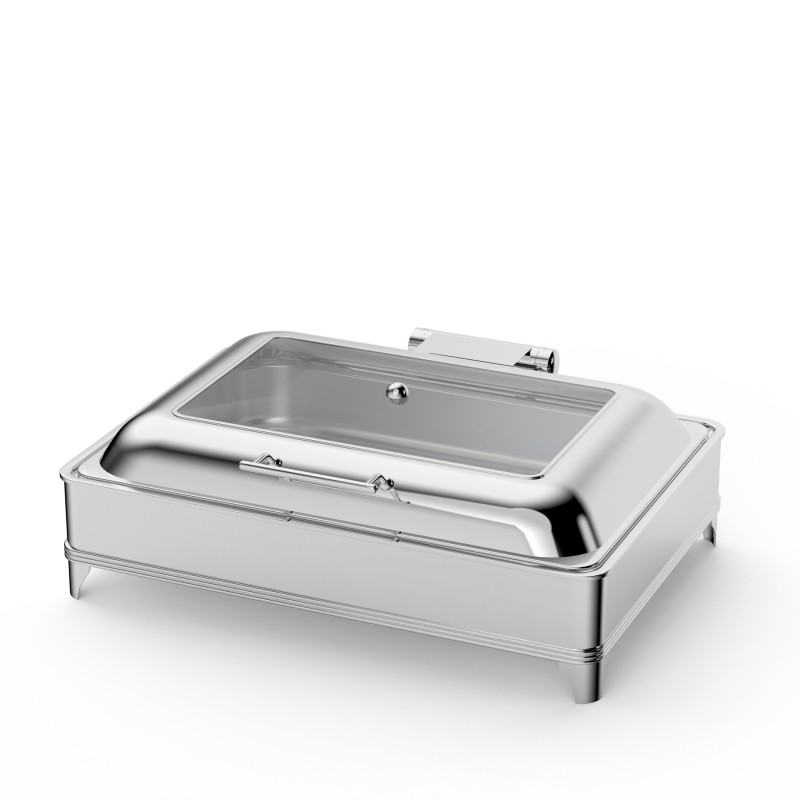
How Many Chafing Dishes Do You Need Per 50 Guests?
Plan 1 full-size chafer per 25-30 guests for each entree and 1 per 35-40 for sides. Includes a guest...
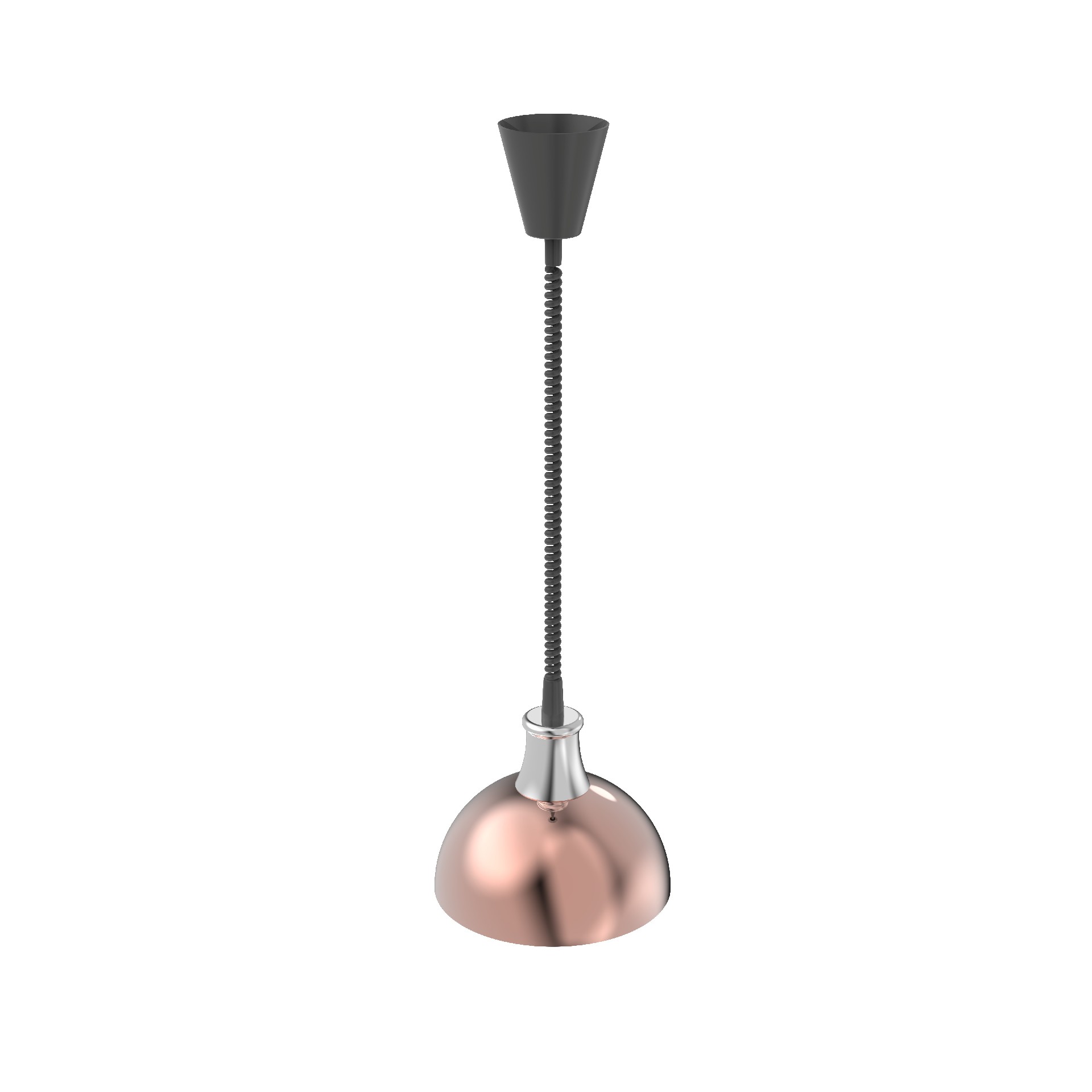
How Long Can Food Stay Under a Heat Lamp? The 4-Hour Rule
Food can stay under a heat lamp for up to 4 hours if it stays above 135°F (57°C); quality usually ...
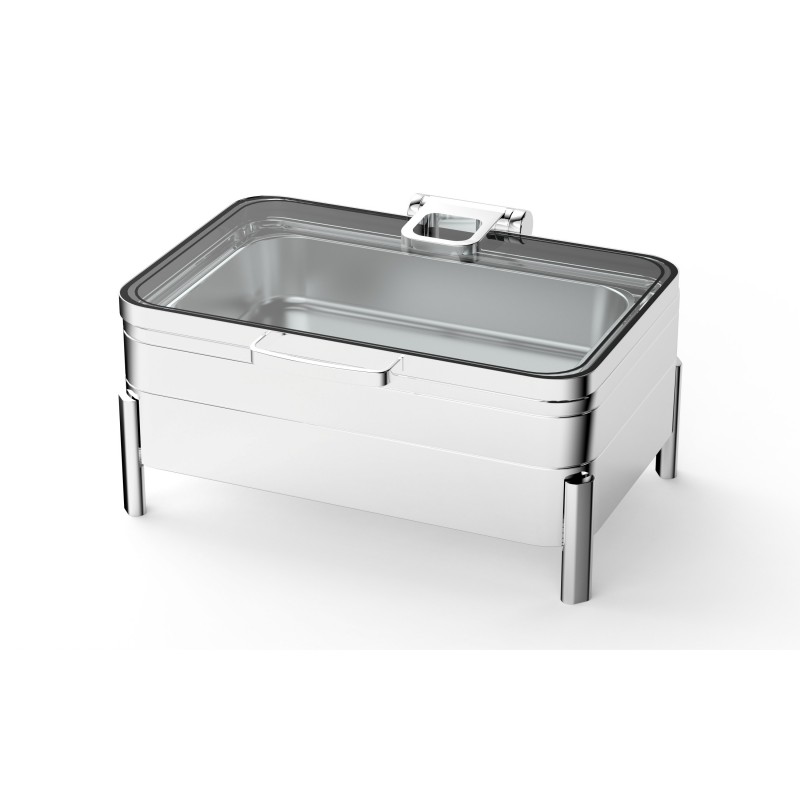
How Much Does a Commercial Chafing Dish Cost? 2026 Price Ranges
Wholesale chafing dishes run $22-55 for 201 fuel units, $45-90 for 304 stainless, $65-180 for electr...
What Size Food Pan Fits a Full-Size Chafing Dish? GN Sizes Explained
A full-size chafer takes one GN 1/1 pan (530 x 325 mm), or two GN 1/2, or three GN 1/3. Includes ful...
Is Food Under a Heat Lamp Safe? A Straight Answer
Food under a heat lamp is safe when three conditions are met: above 135°F (57°C), under 4 hours, a...
How Much Water Goes in a Chafing Dish Water Pan?
Fill a full-size water pan with 1.5-2.5 L of hot water to about two-thirds depth, keeping the level ...